

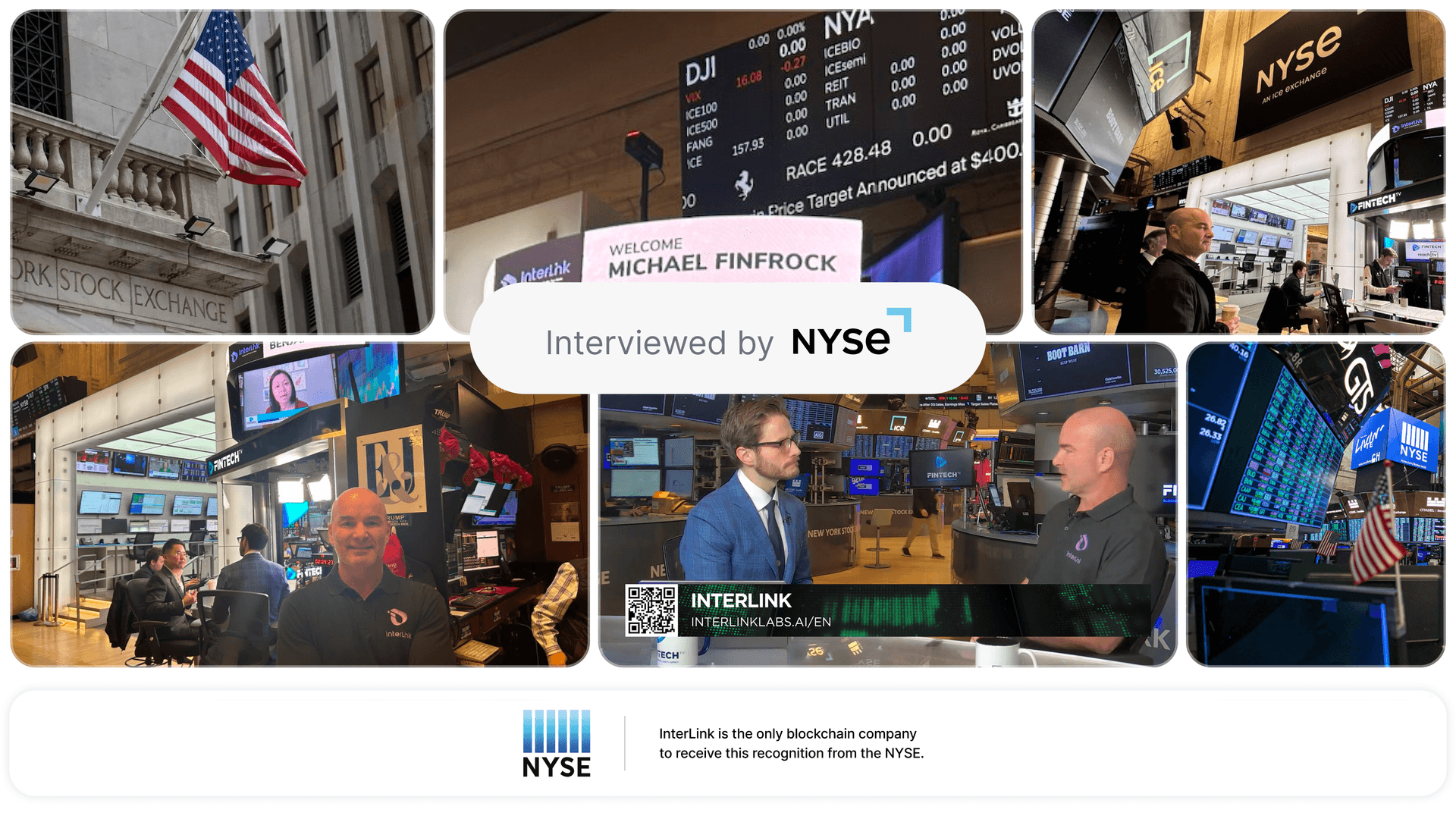
InterLink Labs is one of a small number of blockchain companies invited to meet the New York Stock Exchange (NYSE) in person for a direct interview. In an industry driven by token hype, InterLink Labs is aiming for something harder: a public listing on the New York Stock Exchange.
"Being invited for an interview and welcomed with banners at the NYSE was not a paid promotion. We did not pay a single dollar to the NYSE or any of our other partners. Even if you were willing to spend several million dollars, you would never be featured or welcomed there if your project did not have strong technology and a strong team. We were interviewed there simply because we had a strong founding team and outstanding technology at that time. Even today, it is very difficult for leading crypto projects to gain access to such a platform. In addition, we are also proceeding with the audit requirements for listing." - KV, Founder of Interlink Network.
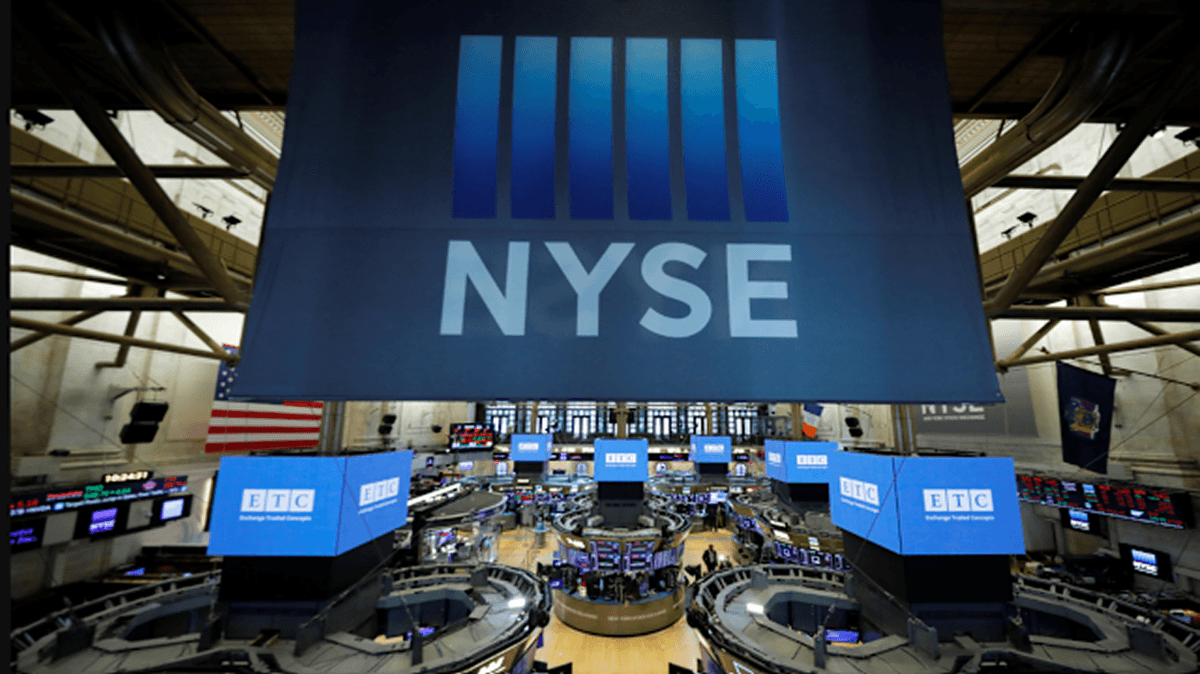
The NYSE traces its roots to the Buttonwood Agreement, signed by 24 brokers in New York on 17 May 1792. Today it is the world's largest stock exchange by market capitalisation, at US$44.7 trillion as of December 2025, and is operated by Intercontinental Exchange. It had 2,223 listed companies as of July 2024.
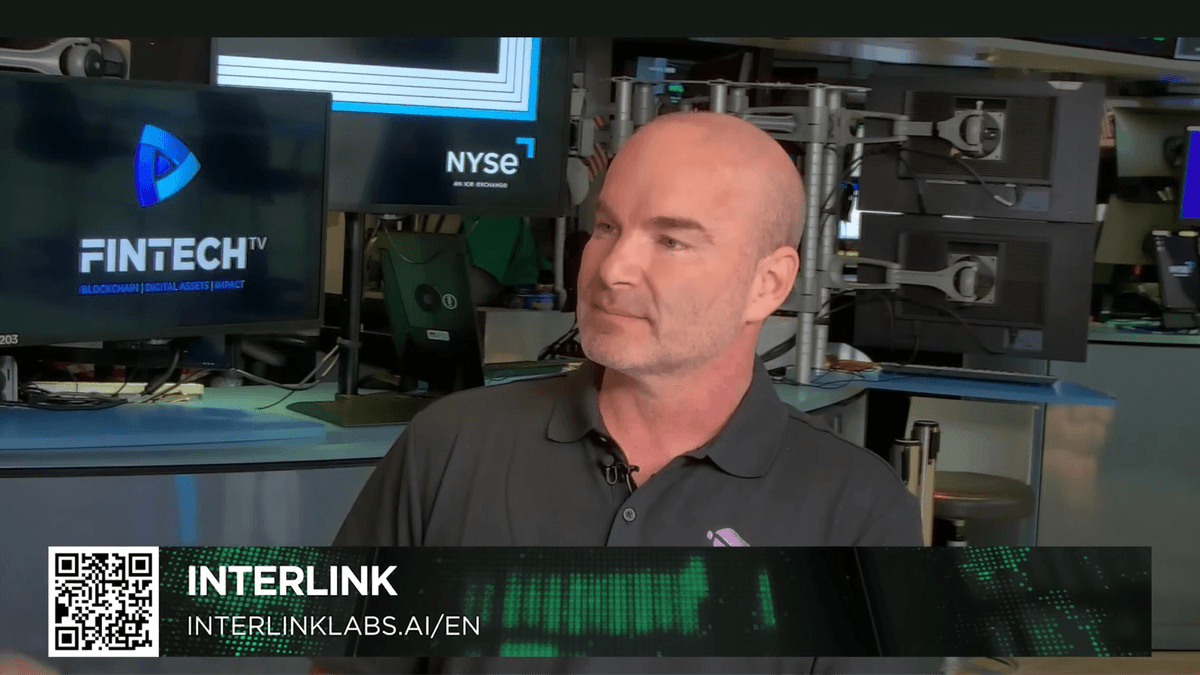
For a blockchain company, a direct conversation with that institution is unusual. Most of the industry has gone to market through token launches and offshore exchanges, not through the oldest rulebook in American finance.
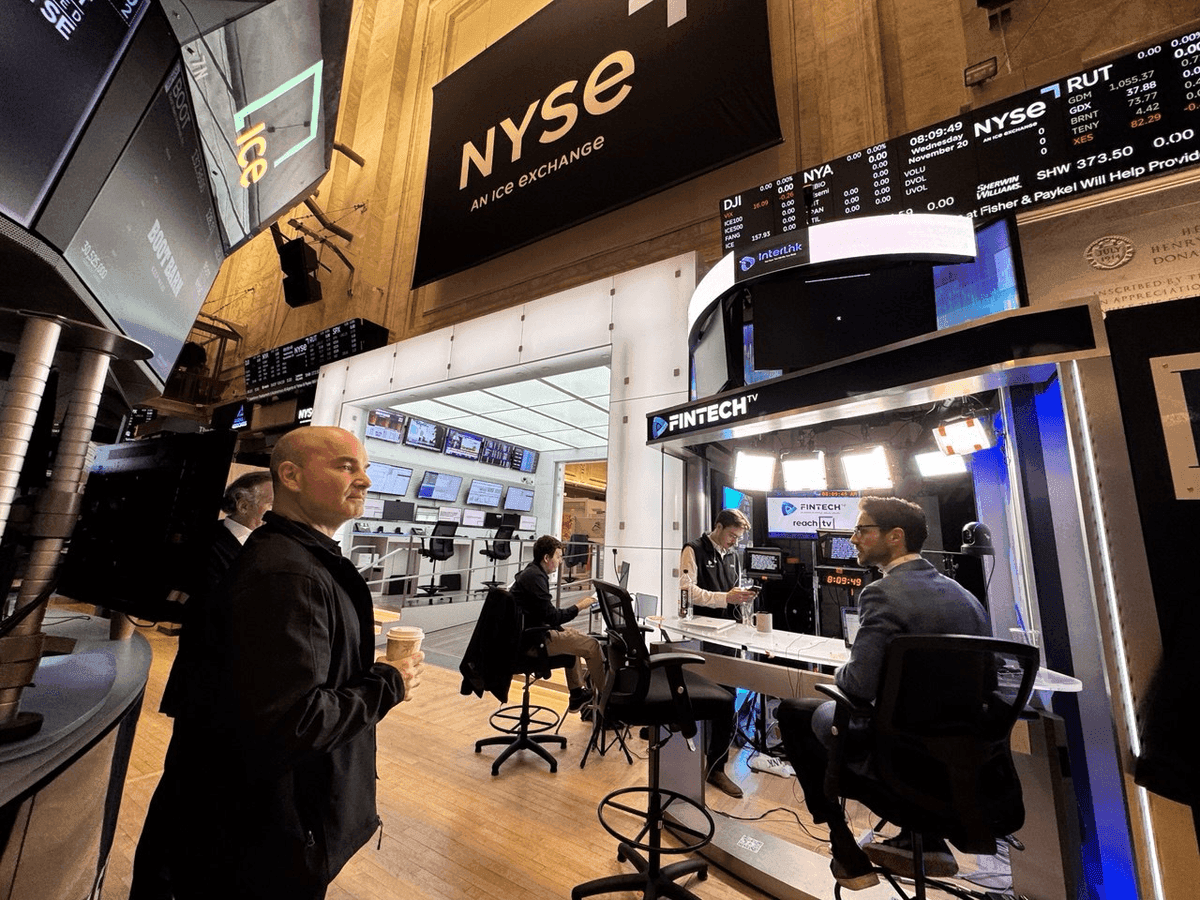
A public listing asks more of a company than a token sale does: SEC oversight, quarterly reporting, audited financials and public-company governance. InterLink is choosing that route on purpose.
The reasoning is simple. Crypto lost a lot of trust after collapses such as FTX in 2022, and a traditional listing tells investors, regulators and users that a company plans to stay and accepts being checked.
Few Web3 firms have gone public, Coinbase on Nasdaq among them, and InterLink would be one of the few built around identity.
The path is still underway, with hurdles ahead: market conditions, regulatory approval and execution. But if InterLink succeeds, it shows the gap between decentralized tech and traditional finance can be bridged transparently, and could pave the way for other serious Web3 companies. The challenge is pleasing both crypto enthusiasts and traditional investors. As the company’s vision states, the mission is to become a global leader in identity and trust infrastructure - serving billions, powered by real people, and ready to meet the demands of tomorrow’s digital world.
InterLink Labs is one of a small number of blockchain companies invited to meet the New York Stock Exchange (NYSE) in person for a direct interview. In an industry driven by token hype, InterLink Labs is aiming for something harder: a public listing on the New York Stock Exchange.
"Being invited for an interview and welcomed with banners at the NYSE was not a paid promotion. We did not pay a single dollar to the NYSE or any of our other partners. Even if you were willing to spend several million dollars, you would never be featured or welcomed there if your project did not have strong technology and a strong team. We were interviewed there simply because we had a strong founding team and outstanding technology at that time. Even today, it is very difficult for leading crypto projects to gain access to such a platform. In addition, we are also proceeding with the audit requirements for listing." - KV, Founder of Interlink Network.
The NYSE traces its roots to the Buttonwood Agreement, signed by 24 brokers in New York on 17 May 1792. Today it is the world's largest stock exchange by market capitalisation, at US$44.7 trillion as of December 2025, and is operated by Intercontinental Exchange. It had 2,223 listed companies as of July 2024.
For a blockchain company, a direct conversation with that institution is unusual. Most of the industry has gone to market through token launches and offshore exchanges, not through the oldest rulebook in American finance.
A public listing asks more of a company than a token sale does: SEC oversight, quarterly reporting, audited financials and public-company governance. InterLink is choosing that route on purpose.
The reasoning is simple. Crypto lost a lot of trust after collapses such as FTX in 2022, and a traditional listing tells investors, regulators and users that a company plans to stay and accepts being checked.
Few Web3 firms have gone public, Coinbase on Nasdaq among them, and InterLink would be one of the few built around identity.
The path is still underway, with hurdles ahead: market conditions, regulatory approval and execution. But if InterLink succeeds, it shows the gap between decentralized tech and traditional finance can be bridged transparently, and could pave the way for other serious Web3 companies. The challenge is pleasing both crypto enthusiasts and traditional investors. As the company’s vision states, the mission is to become a global leader in identity and trust infrastructure - serving billions, powered by real people, and ready to meet the demands of tomorrow’s digital world.